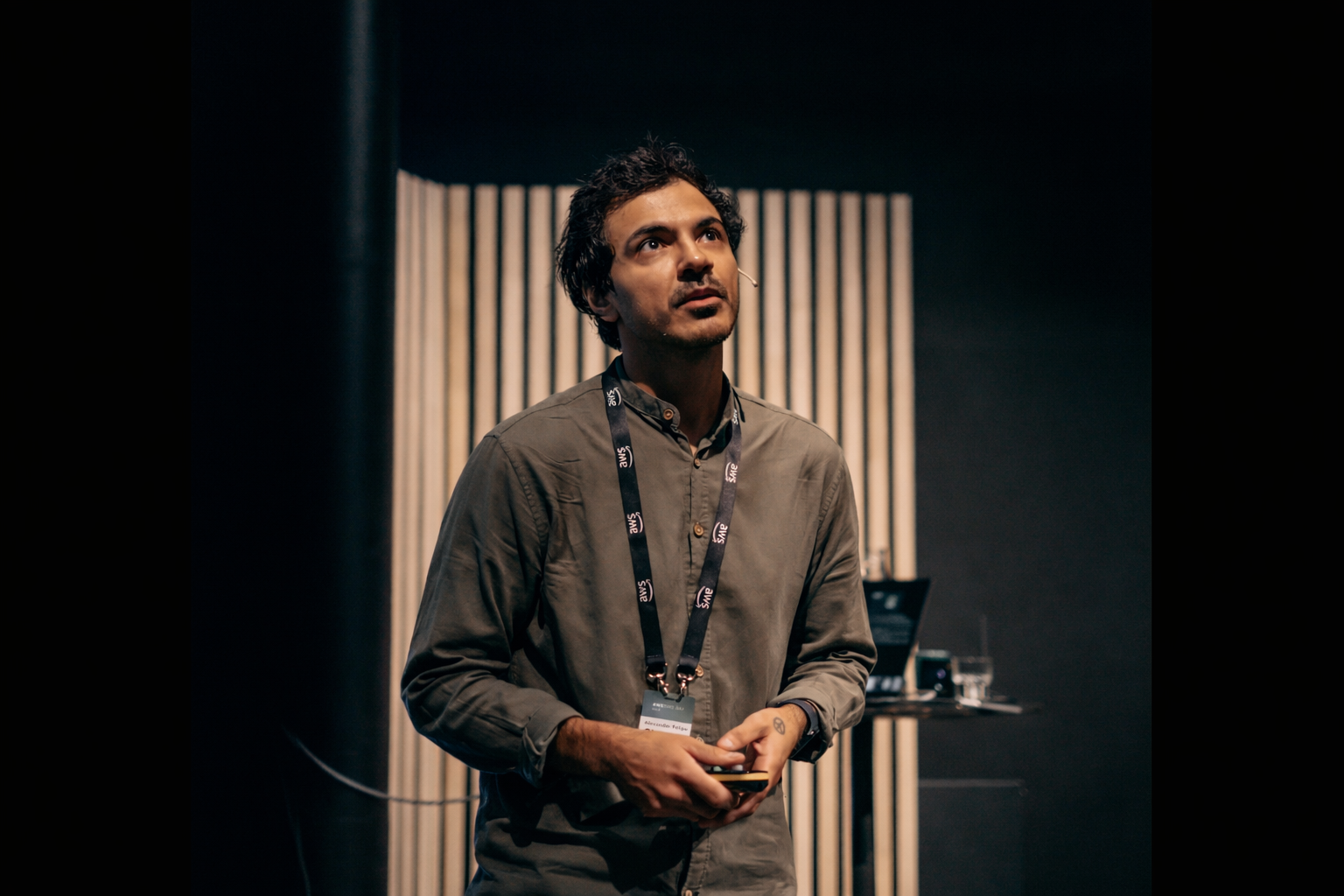
Standing in front of a fully packed auditorium of cloud enthusiasts at AWSomeDay Oslo 2025, I realized this was it – my first real public speaking moment. The topic? AWS backup strategies. The format? A 30-minute session split between myself and my co-presenter, giving each of us 15 minutes to dive deep into foundational aspects of the cloud, where I talked about backup and he talked about networking. The feeling? A mix of terror and excitement that I’ll never forget.
The Opportunity
When asked if I’d like to present on AWSomeDay Oslo 2025, my immediate reaction was both “absolutely!” and “oh no, what have I gotten myself into?” But sometimes the best growth happens when you say yes to things that scare you.
The conference was an incredible gathering of cloud professionals, from beginners taking their first steps into AWS to seasoned architects sharing war stories. Being part of that community, even as a first-time speaker, felt like a privilege.
The Topic: AWS Backup Deep Dive
I chose to focus on AWS backup because it’s one of those critical topics that often gets overlooked until disaster strikes. My presentation covered:
- AWS Backup service fundamentals – centralized backup across AWS services
- Cross-region backup strategies for disaster recovery
- Backup policies and compliance requirements
- Cost optimization techniques for long-term retention
- Real-world scenarios and lessons learned from production environments
The technical content felt comfortable, but delivering it to a live audience? That was entirely new territory.
Lessons Learned: Public Speaking Tips
If you’re considering your first public speaking opportunity, here’s what I wish I’d known (and what actually worked):
Preparation is Everything
Start early and be thorough. I spent weeks crafting my presentation, but more importantly, I ran dry-runs with multiple audiences to get feedback and refine the content. My organization, my co-presenter, family members, and more experienced presenters all provided valuable input that helped shape every slide. These practice sessions were invaluable for identifying unclear explanations, awkward transitions, and areas that needed more or less detail.
Create a detailed outline first. Before touching presentation software, I mapped out the entire flow. What’s the core message? What are the 3-5 key takeaways? How does each section build toward those goals?
Practice, Practice, Practice
Rehearse out loud – a lot. Reading through slides silently is not practice. I must have run through my presentation 50+ times, speaking every word aloud. This helped me find awkward transitions, identify where I needed better examples, and build muscle memory for the flow.
Record yourself and watch it back. This is uncomfortable, but incredibly valuable. I noticed I was speaking too fast, using too many filler words (“um,” “uh,” “so”), and not making enough eye contact with the camera. Each recording session helped me improve.
Work on One Thing at a Time
Don’t try to fix everything at once. In early practice sessions, I noticed multiple issues: speaking too fast, fidgeting with my hands, not pausing enough. Instead of overwhelming myself, I focused on one improvement per practice session. First session: just slow down. Next session: work on hand gestures. This incremental approach was much more effective.
Master Your Breathing
Breathe deeply and deliberately. Nerves make you breathe shallow, which makes you speak faster and feel more anxious. I practiced taking deep breaths before starting each section of my talk. During the actual presentation, I used slide transitions as breathing moments.
Try box breathing exercises. One technique that really helped was box breathing: breathe in for 4 seconds, hold for 4 seconds, breathe out for 4 seconds, hold for 4 seconds. Repeat this cycle several times before going on stage. It’s a simple way to calm your nervous system and center yourself.
Pause more than feels natural. What feels like an eternity of silence to you feels perfectly normal to the audience. Those pauses give people time to process what you’ve said and give you time to collect your thoughts.
Find Your Focus Points
Identify friendly faces in different sections of the room. Instead of trying to make eye contact with everyone (impossible and overwhelming), I found 4-5 people who seemed engaged and rotated my attention between them. This created the illusion of connecting with the entire audience while keeping me grounded.
Have a “home base” to return to. When I felt overwhelmed, I’d look back at a specific spot on the back wall. Having this anchor point helped me reset when nerves kicked in.
Know Your Environment
Visit the room beforehand if possible. We arrived early to see the space, test the microphone, and understand the layout. Where would I stand? How big was the screen? Could people in the back see clearly? This familiarity reduced one layer of anxiety.
Have a backup plan for tech issues. My slides were saved locally, in the cloud, and on a USB drive. I had my speaker notes printed. I tested the clicker multiple times. Technology will fail at the worst possible moment – be ready.
Slow Down and Don’t Rush
Speak slower than feels comfortable. Adrenaline makes everything feel fast-paced, but your audience needs time to process technical information. I practiced with a metronome to find a sustainable pace, then deliberately spoke even slower during the actual presentation.
Build in buffer time. I planned for a 12-minute presentation in my 15-minute slot, with my co-presenter doing the same. This gave us each room to breathe, handle questions during our segments, and not feel rushed if we needed to elaborate on complex topics. Having that shared 30-minute session also meant we could support each other – if one of us ran short or long, the other could adjust accordingly.
Mind Over Matter: Confidence and Pre-Stage Prep
Act confident, and your brain will follow. It’s incredibly hard to control nervousness directly, but here’s what I learned: if you feel confident and look confident, your brain starts to believe it too. It’s not magic, but there’s something to the “fake it till you make it” approach. Dress how you want to feel, stand tall, and project confidence even when your heart is racing.
Get your body ready. Right before going on stage, I found it helpful to do some quick physical exercises to burn off nervous energy. A few pushups, knee raises, or jumping jacks in the bathroom (yes, the bathroom – privacy is key!) can help channel that adrenaline into something productive rather than letting it build up as anxiety.
Warm up your voice. Just like athletes warm up their muscles, speakers should warm up their voice. Tongue twisters, humming, or simple vocal exercises done privately before your talk can make a huge difference in how clear and confident you sound. I did a few “red leather, yellow leather” repetitions and some lip trills – it felt silly but really helped.
The Day Of
Despite all the preparation, I was still nervous. But here’s what surprised me: once I started talking about AWS backup – something I’m genuinely passionate about – the nerves transformed into energy. The audience was engaged, asking thoughtful questions, and I realized I was actually enjoying myself. Having a co-presenter also helped; we could play off each other’s expertise and create a more dynamic presentation than either of us could have delivered solo.
The Q&A session was particularly rewarding. People shared their own backup challenges, and we had genuine technical discussions. That’s when it hit me: this wasn’t about me performing for an audience. It was about sharing knowledge with a community of peers.
What’s Next
This experience has definitely opened my appetite for more speaking opportunities. There’s something powerful about taking complex technical concepts and making them accessible to others. Plus, the AWS community in Oslo is incredibly welcoming.
If you’re on the fence about submitting a talk proposal or accepting a speaking invitation, my advice is simple: do it. Yes, it’s scary. Yes, you’ll probably feel like an imposter. But the growth you’ll experience – both personally and professionally – is worth every moment of nervousness.
The cloud community needs more voices, more perspectives, and more real-world experiences shared. Your story and expertise matter, even if (especially if) you don’t feel ready.
A Heartfelt Thank You
Looking back on this experience, I’m filled with gratitude for everyone who made it possible. To the AWSomeDay Oslo 2025 organizers – thank you for taking a chance on a first-time speaker and creating such a welcoming environment for both presenters and attendees. To my co-presenter, who shared the stage and made the experience so much richer through collaboration. To my organization, family, and the experienced speakers who provided feedback during our dry-runs – your input was invaluable.
Most of all, thank you to the audience who stayed engaged even at the end of a long day, asked thoughtful questions, and reminded me why sharing knowledge within our community matters so much. Being trusted with 15 minutes of your time was both an honor and a responsibility I didn’t take lightly.